
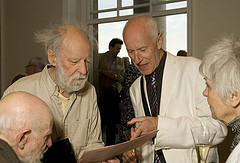
 I was saddened to hear of the passing of Alan Sutcliffe at the end of February; he was a great pioneer of computer arts, including music and graphics. Alan was a big source of inspiration and support to me when writing A Computer in the Art Room and I feel proud that we have this and White Heat Cold Logic to stand as a legacy to at least one aspect of his creative life. Here he is in 2008 at the launch of A Computer in the Art Room, reminiscing with Stroud Cornock, watched by Jeni Bougourd and Gustav Metzger. See my obit for the BCS here: http://www.bcs.org/content/conWebDoc/52263.
 Catherine Mason
Going with the Flow
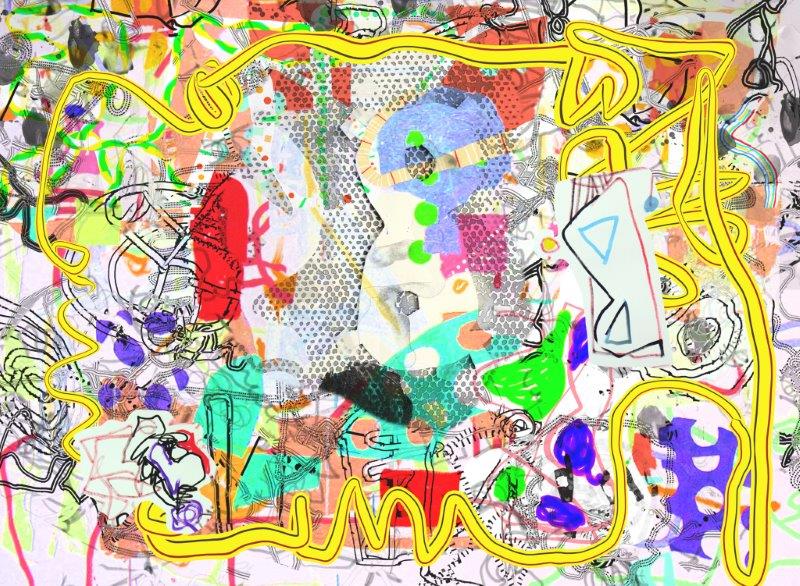
James Faure Walker’s art is fundamentally about painting; the act of applying paint, whether it be digital or physical, to a surface. The pictorial elements of line, form, space and most of all colour work together to create an art that is appealing to the eye, yet intrigues and resonates with the viewer, staying with us long after we look away. Our featured image this month for the BCS is no exception, read the full article here.
An Artful Life
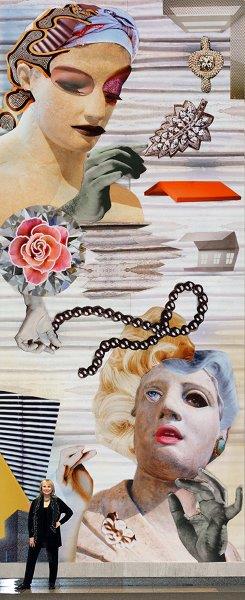
It was my great pleasure recently to spend the afternoon with Barbara Nessim, a pioneer in digital art and illustration, and to hear first-hand about her inspiring career spanning six decades. She is the BCS-featured artist this month, read the full article here.
A significant body of her work has been donated to the Victoria & Albert Museum, where it was exhibited in 2013 accompanied by the beautiful monograph Barbara Nessim: An Artful Life, (which I can highly recommend).
Book Launch Photographs!
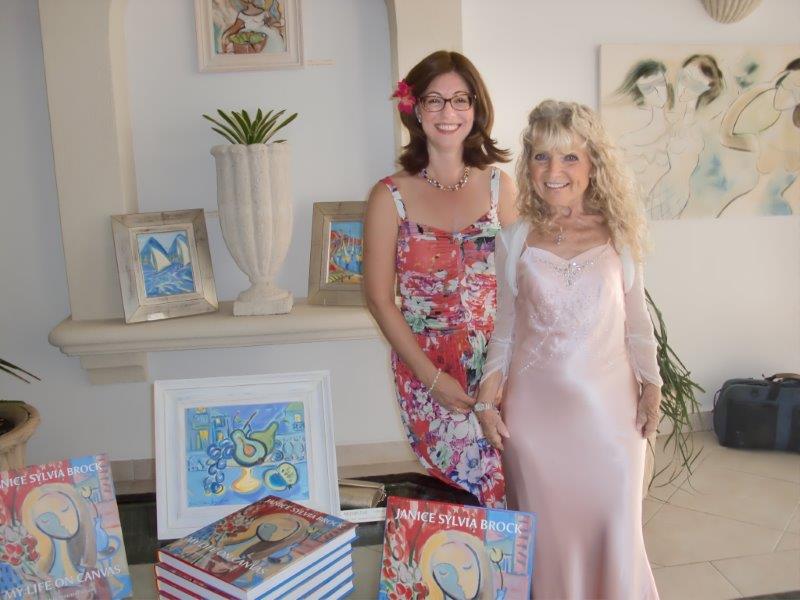
My recent book launch – Janice Sylvia Brock: My Life on Canvas was a huge success with over 200 people in attendance, welcomed by Sir Cliff Richard at Sugar Hill Club House, Barbados. See photographs here.
Chinese Fusion
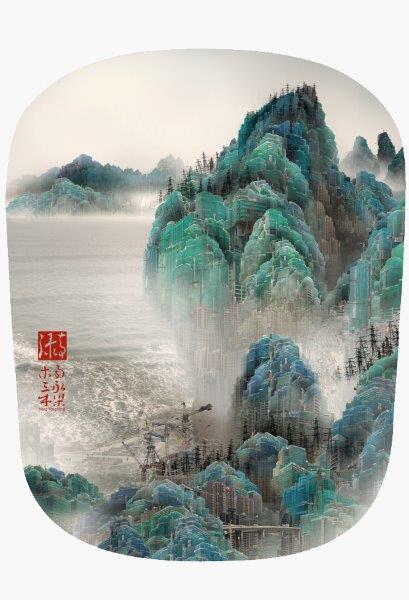
The superb exhibition surveying 12 centuries of Chinese art currently on view at the Victoria & Albert Museum (to 19 Jan), showcases a culture that values continuity, tradition and repetition. Also evident is the strong history within Chinese art of honouring the artistic achievements of the preceding generation through the deliberate mimicking of previous styles of painting. The Shanghai-based Yang Yongliang, our BCS featured artist this month, does exactly this but gives a contemporary interpretation to his traditionally-inspired art, utilising new technology and updated imagery. A fusion of the old with new modalities from the West creates something entirely new in art. Read full article here:http://www.bcs.org/content/conWebDoc/51975
BOOK LAUNCH!
My new biography of the English-born, Barbadian-resident painter Janice Sylvia Brockis OUT NOW published by I.B. Tauris. The book launch is Thursday 23rd Januaryat Sugar Hill, St James, Barbados – to be opened by Sir Cliff Richard. If you are going to be on-island, please email me for an invitation.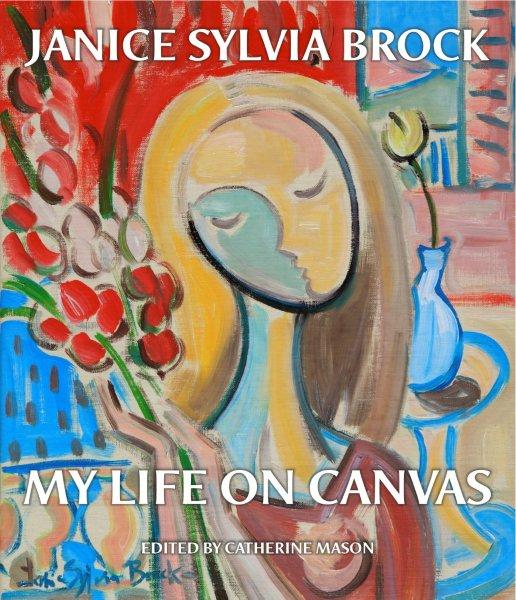
Binary Bon Bons
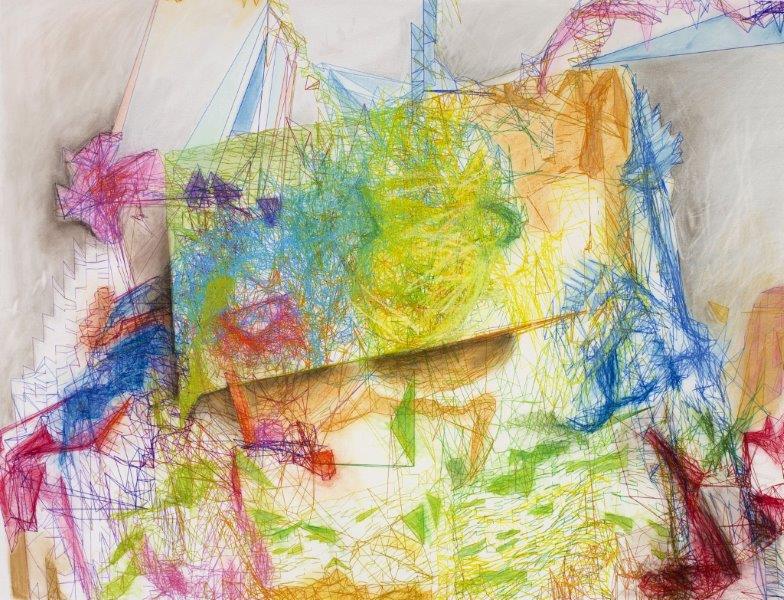
For the British Computer Society column this month, it’s the annual end of year
special – a celebration of work submitted by readers of the column, BCS & Computer
Arts Society members. This demonstrates the wide variety of work being produced today with digital technology at its heart. Here is just one example, by Susan Rosenberg, fresh from her London exhibition. Read it here:http://www.bcs.org/content/conWebDoc/51769
Lecture : A Machine that Makes Art @ Richmond Art Society
On Wednesday 20th November, I’m giving a lecture at the Richmond Art Society:
(Guests are welcome, please see the website)
8pm @ Richmond The American International University in London
Queen’s Road, Richmond-upon-Thames, Surrey, TW10 6JP
The inspiration for this talk comes from the great conceptual artist Sol LeWitt’s statement, The idea becomes a machine that makes the art (1967). Although LeWitt’s ‘machine’ was metaphorical rather than literal, nevertheless this radical concept raised questions about the notion of art process and creative behavior and challenged the notion of what art was or could be. To what extent does the hand of the artist need to be involved in the art-making? Artists such as David Hockney (on the iPad), Julian Opie, Jessica Steinkamp and others use computer code of simple instructions to generate complex and visually arresting art works. So why, more than 40 years after Le Witt’s comment, is it still such a leap of faith for some in the mainstream art world to conceive of the involvement of a machine like a computer? We will explore the use of computing and digital systems in art today.
Expanded Evolution
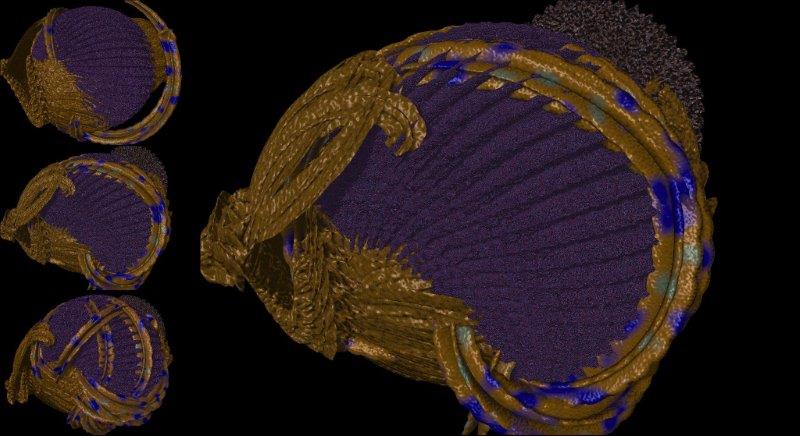
Bizarre, strange mutated forms looming out of computer space; William Latham is a gardener steering and evolving forms within a kind of virtual evolution. These images lead
us to imagine we are being allowed in on the secrets of the universe. Following on from his exhibition in Brighton, William is my BCS featured artist for the month of November: http://www.bcs.org/content/conWebDoc/51594
Grayson Perry: “Michelangelo would be making CGI movies & 3D printing”
Grayson Perry said in his Reith Lecture this morning that if Michelangelo were alive today he wouldn’t be painting ceilings he’d be making CGI movies and 3D printing. He pointed out that artists have always been early adopters of new technology; it was an acknowledgement that perhaps the real innovation in art today is happening away from the traditional art world coterie of dealers/ galleries/auction houses and is engaging with technology or even taking place in cyberspace.
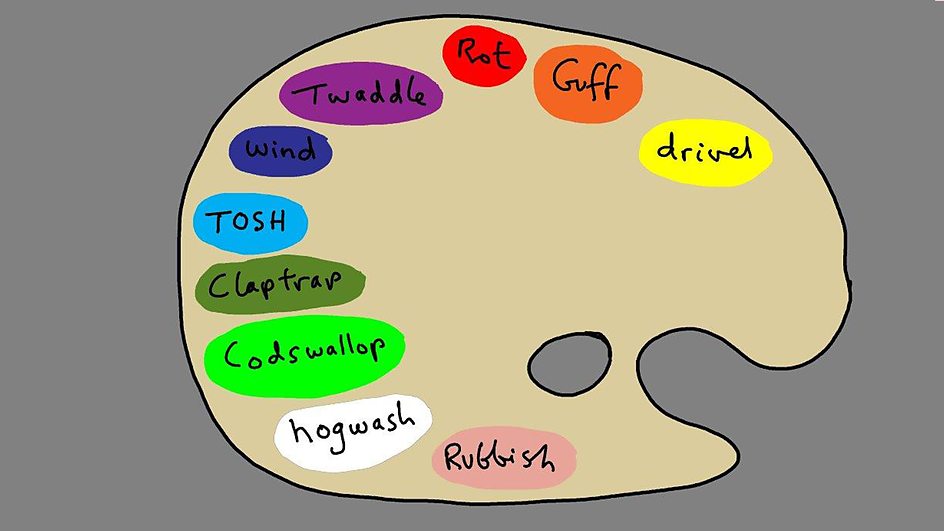
The 3 lectures so far have made for wonderful listening – I especially enjoyed hearing him take a strip off international art English (in first lecture) which is rife in the art world, spreading since the 1970s via the art press. Quoting artists Rule & Levine and their e-flux website language analyser – this type of art bollocks (sorry semantics) rebukes ordinary English for it’s lack of nouns. Perry said he gets metaphysical sea-sickness from reading this sort of text. There was a hilarious piece – an A to Z guide to fluent Artspeak, by Philip Hook, (whose new book about the art world is out this week), printed in this week’s Sunday Times Culture. My favourite Viewing Experience, Hook says is a nauseating term to denote looking at a picture in that it offers a highly engrossing viewing experience.
After today’s standing ovation at the lecture, I’d say Perry is seriously in danger of becoming one of Britain’s Greatest Living National Treasures.